

How Federation works
Federation’s direction is set by its members, from workplace meetings through to Annual Conference.
Not a member yet? Join Federation to have your say. The best way to get your opinion heard is to attend your local association meeting, where members discuss and vote on union issues and help shape Federation’s policies and direction.
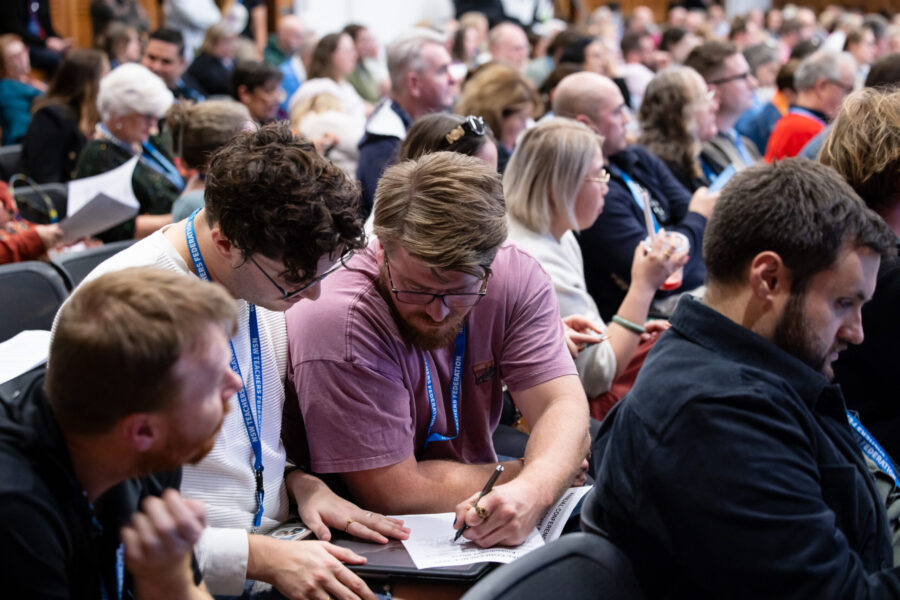
Workplace meetings
Financial members are welcome to participate in Federation meetings, held in their workplace, where members discuss issues affecting their work, community and students.
Members can move, amend and vote on motions that inform the work and direction of the union at their workplace.
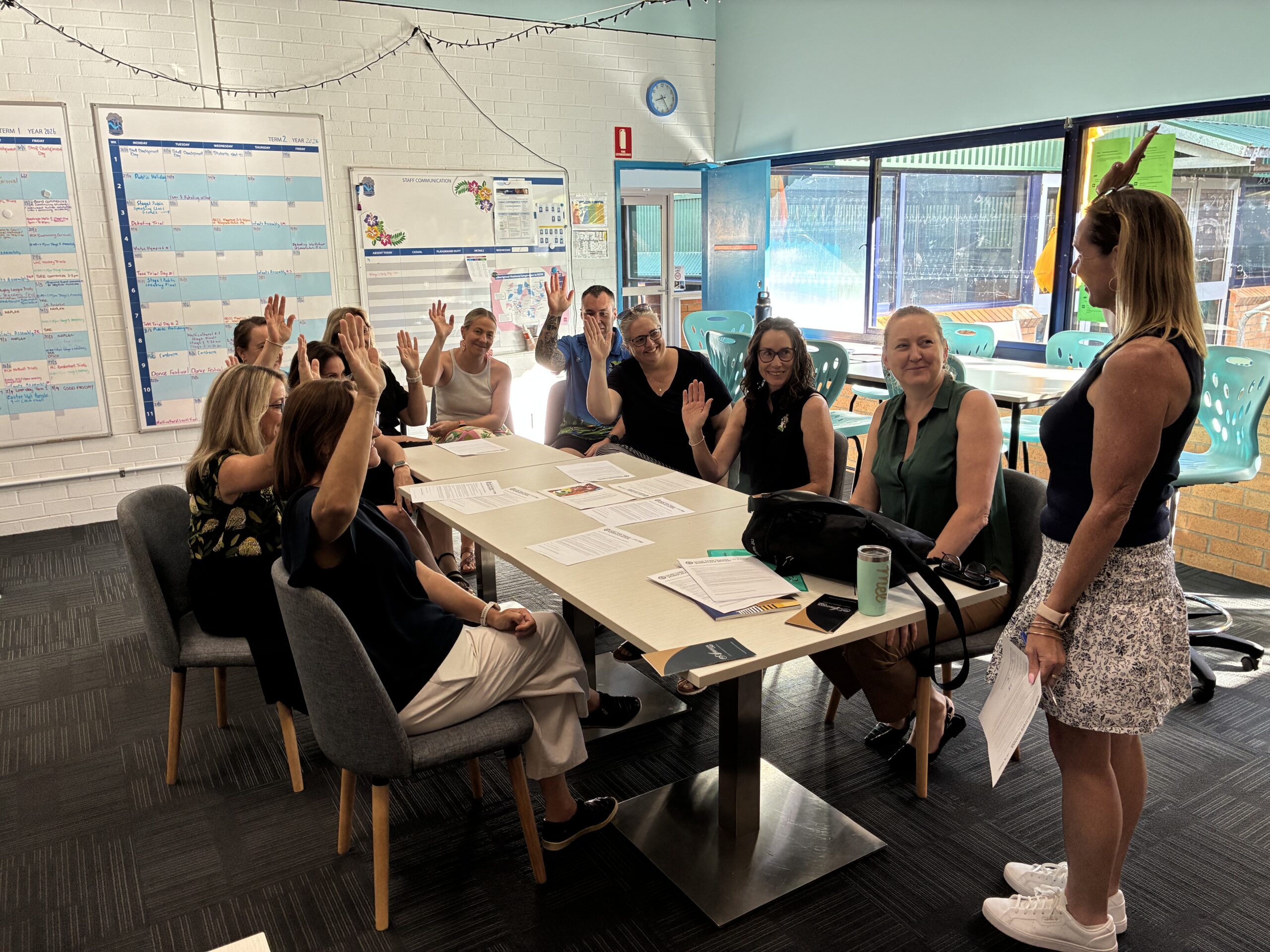
Local associations
Financial Federation members can attend and participate in their local association’s meetings — the main forum for members in each area — to discuss and vote on union issues.
Association meetings:
Provide regular opportunities to share information with colleagues
Help you network with teachers in your area
Help create social connections
Are a great place to develop new skills such as public speaking
Are an opportunity to reach your Organiser
Are forums to influence Federation’s policies and direction
Which association will I belong to?
In most cases school members are automatically allocated to the association that covers the local area they teach in.
In some circumstances a member may be allocated to another association, for example the association in the area in which a casual member lives. Teachers in TAFE and OCAA (Officers, Consultants and Advisers Association) belong to statewide associations.
Elected positions
Each association has a number of elected positions, elected annually, such as:
- President, Vice President, Secretary, Treasurer
- Women’s Contact, Minutes Secretary
- New Activists Contact, Special Education Contact
- LGBTIQ Contact, Aboriginal Education Contact
- Casual/Unemployed Teachers Contact, Anti-racism Contact
State Council
Federation’s state Council meets at least eight times per year and is attended by the union’s Presidential Officers, Professional Officers and about 300 Councillors. Decisions made at these meetings become union policy. The decisions of Federation’s state Council are published in Fed Rep News, a newsletter distributed to all Federation Representatives, Women’s Contacts and Workplace Committee members.
8+ meetings a year
~ 300 Councillors
Two-year terms
Becoming a Councillor
Councillors are elected for two-year terms, by members of their local associations, to represent their area at state Council meetings. A number of Councillors are also elected by members on the Aboriginal Members Roll.
If you are elected as a Councillor you may:
- Ask questions
- Propose amendments to recommendations
- Debate and vote on motions and amendments
- Be a delegate to Federation’s Annual Conference
Attending Council as an observer
Members Only
Country members who would like to learn more and experience Council can apply to attend as an observer through the New Activist Country Observer Program or Country Women’s Observer Program.
City members may also choose to attend Council as an observer and can turn up on the day to register their attendance.
Annual Conference
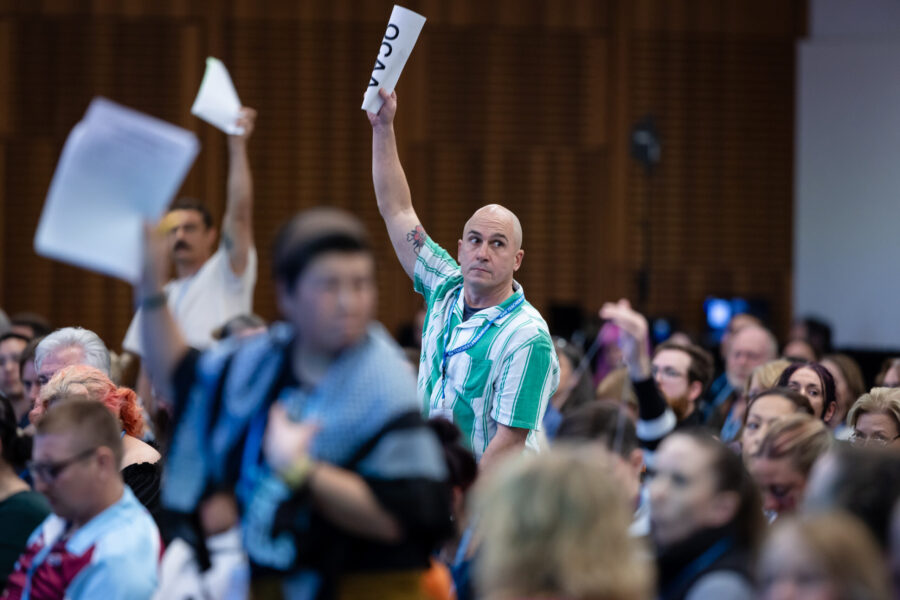
Annual Conference is Federation’s peak decision making body and meets in Sydney for three consecutive days during the winter school holidays.
It is attended by Presidential Officers, Professional Officers, Councillors as automatic delegates and additional elected delegates (including representatives from the Aboriginal Members Roll).
As a financial Federation member you can nominate as a Delegate. If elected by your fellow association members, you can participate in the debate and vote.
There are no authorised observers at Annual Conference, but members are welcome to come and watch.
Federation Executive
The Executive meets regularly during term to discuss the implementation of decisions arising from Council and Conference and items that emerge between Council meetings.
It consists of:
- The Presidential Officers
- Eight members
- Two Custodians
- One Aboriginal member
- Four Vice Presidents
Aside from Presidential Officers, other members of Executive are elected by Federation Councillors for a one-year term.
Aboriginal Observer to Executive
Members Only
Aboriginal members may wish to put themselves forward to be considered for the position of Aboriginal Observer to Executive, to attend Executive meetings and develop a further understanding of the role and function of Executive.
Contact the Aboriginal Education Coordinator.
Restricted committees
Restricted committees are elected by Council to work on particular areas of policy. A committee’s membership may be restricted by a number of criteria (including gender, workplace, identity etc) to ensure appropriate representation. The criteria are considered and determined by Council.
- Aboriginal Members
- Aboriginal Education
- Anti-Racism Policy
- Central Schools
- Distance Education
- Eric Pearson Study Grant
- Finance
- Future Teacher Scholarships
- Legal Cases
- Lesbian, Gay, Bisexual, Transgender, Intersex, Queer
- Officers, Consultants and Advisers
- Principals
- Professional Officers
- Project Officers
- Recruitment and Retention
- Rules and Structures
- School Staffing
- Sam Lewis Peace Prize
- Small Schools
- Special Education
- Sustainable Environment
- TAFE Part Time Casual Teacher Ad-hoc Committee
- Teachers Workload (Schools and TAFE)
- Technology
- Tree Levy
- Women’s and Anna Stewart Program
Frequently asked questions
Financial members are welcome to take part in workplace meetings and to attend and participate in their local association’s meetings.
At least eight times per year. It is attended by Presidential Officers, Professional Officers and about 300 Councillors, and its decisions become union policy.
Country members can apply through the New Activist Country Observer Program or Country Women’s Observer Program. City members can turn up on the day and register.
Federation’s peak decision making body. It meets in Sydney for three consecutive days during the winter school holidays. There are no authorised observers, but members are welcome to come and watch.
In most cases school members are allocated automatically to the association covering the local area they teach in. Teachers in TAFE and OCAA belong to statewide associations.
Committees elected by Council to work on particular areas of policy. Membership may be restricted by criteria such as gender, workplace or identity to ensure appropriate representation.