

History of the NSW Teachers Federation
Members have collaborated on campaigns to achieve improvements in salaries and working conditions, the provision of public education and social justice for more than 100 years.
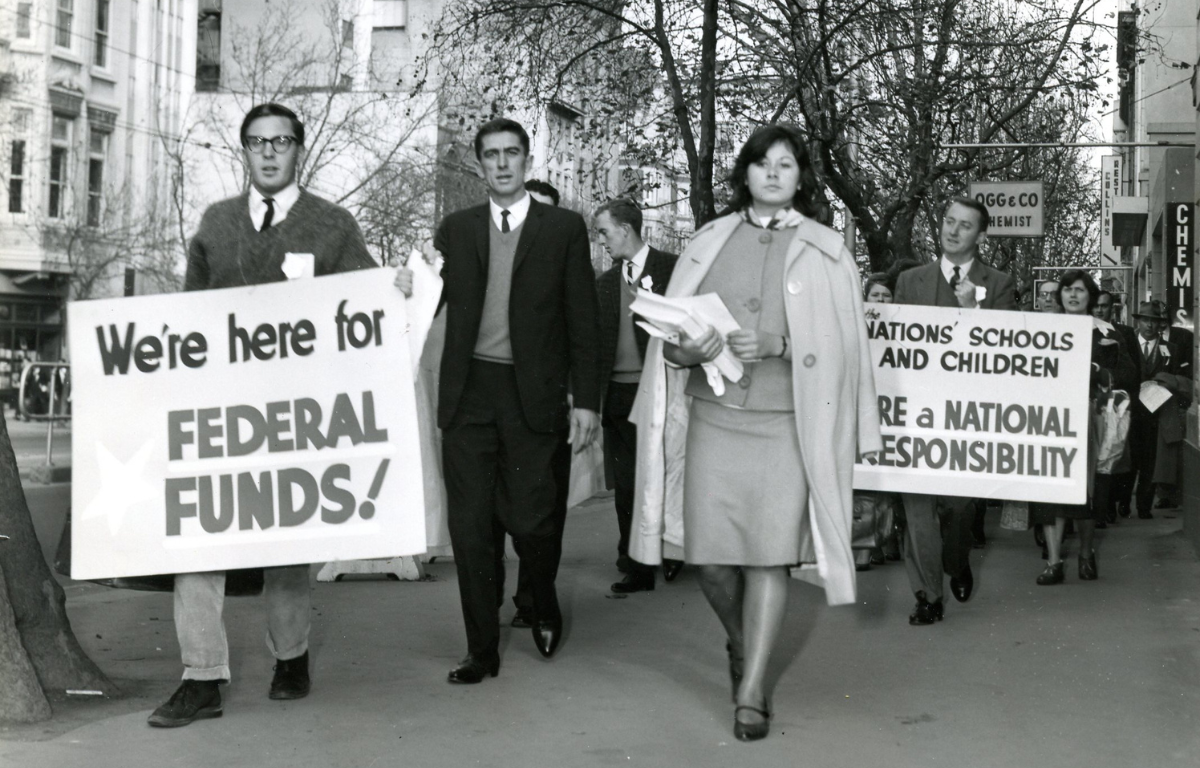
Timeline of Key Dates
| Date | Event |
|---|---|
| 1918 | The union was formed as the NSW Public School Teachers Federation on 26 September 1918, when various teachers associations met in the temporary home of the Australian Workers’ Union, in Castlereagh Street. |
| 1919 | The top priority of Federation’s first Council meeting in March 1919 was an application to gain access to the arbitration courts in relation to salaries and awards. |
| 1932 to 1947 | An enduring campaign preceded the repeal of the Married Teachers Act, which dismissed married women teachers, lecturers and public servants from December 1932 until in 1947. |
| 1937 | Federation appointed its first Organiser in 1937. |
| 1946 | They then mobilised to achieve the first of the union’s major salaries breakthroughs; in 1946 teachers gained their first realistic salary increases since 1920 and set the standard for other professional workers. |
| 1949 and 1956 | The union’s Executive established an equal pay committee in 1949 and an equal opportunity committee in 1956 to campaign for women to have access to the promotion lists and equal pay. |
| 1958 | In 1958 legislation phased in equal pay for women over five years, with women achieving full parity in 1963. |
| 1961 | The separate gender-based promotions lists were combined in 1961. |
| 1963 | Achieved equal pay for equal work for women teachers in 1963. |
| 1968 | Federation members made a major break with its past in 1968, when the first statewide strike was held, over the appalling conditions in which teachers were working. |
| 1975 and 1986 | Three significant appointments between 1975 and 1986 demonstrated Federation’s commitment to social reform: Women’s Coordinator, Aboriginal Education Coordinator and Multicultural Coordinator. |
| 1976 | Our union led the battle in 1976 for the original affirmative action strategy for the employment of the first group of Aboriginal teachers to graduate in numbers from teacher training. |
| 1980 | In partnership with the NSW Aboriginal Education Consultative Group we founded the first union policy on Aboriginal issues in this country, in 1980. |
| Late 1980s | In the late 1980s, after a 10-year campaign, members achieved two hours of release from face-to-face teaching for all teachers working in infants, primary and schools for specific purposes settings. |
| 1990 to 2003/4 | For example, members engaged in significant industrial action during salaries rounds from 1990 to 2003/4 to restore salaries relativity lost during a period of federal wage fixation. |
| 1997 | This partnership paved the way for the ultimate development and support from teachers of the first Department of Education Aboriginal Education Policy, the foundations of which were so ground breaking that it formed the backbone of the 1997 Department of Education and Training’s Aboriginal Education Policy. |
| 2001 | Federation commissioned the Inquiry into the Provision of Public Education in NSW (2001). |
| 2006 | Paid maternity leave and adoption leave was increased to 14 weeks on full pay in 2006. |
| 2020 | Federation commissioned the Valuing the Teaching Profession — An independent inquiry (2020), to draw attention to the issues facing public education teachers and students. |
| 2023 | Sustained campaigning over several years achieved, in 2023, the most significant improvement to NSW public school teachers’ wages in decades. |
Salaries and working conditions
Salaries and awards
The top priority of Federation’s first Council meeting in March 1919 was an application to gain access to the arbitration courts in relation to salaries and awards. Members sustained a long campaign to restore wages to pre-Depression austerity levels. They then mobilised to achieve the first of the union’s major salaries breakthroughs; in 1946 teachers gained their first realistic salary increases since 1920 and set the standard for other professional workers.
Industrial action and wages
Federation members made a major break with its past in 1968, when the first statewide strike was held, over the appalling conditions in which teachers were working. Since then, industrial action has become a part of the union’s campaigns. For example, members engaged in significant industrial action during salaries rounds from 1990 to 2003/4 to restore salaries relativity lost during a period of federal wage fixation. Sustained campaigning over several years achieved, in 2023, the most significant improvement to NSW public school teachers’ wages in decades.
Class sizes
Understanding that smaller class sizes enable teachers to give more time to support students’ individual learning needs, since Federation’s early days (when many classes had 70 students), members have campaigned to reduce class sizes. A sustained campaign reduced infants class sizes in the first decade of this century.
Other campaign wins
Other wins as a result of campaigning, sometimes involving industrial action, have achieved improvements in differential staffing for disadvantaged schools and special education, the four-term year in schools and student-free days for professional learning.
Release from face-to-face teaching
In the late 1980s, after a 10-year campaign, members achieved two hours of release from face-to-face teaching for all teachers working in infants, primary and schools for specific purposes settings. This time enables teachers to plan lessons catering to all learning styles and collaborate with colleagues on how to best meet the needs of students.
Public education provision
The union has an ongoing dialogue with successive state and federal governments over equitable and adequate funding of public education.
Since the late 1980s state governments have sought to apply corporate managerial practices to public education, a concept which our members continue to challenge.
Over time, members have joined with their local communities to oppose the sale of school and TAFE land.
Agenda setting
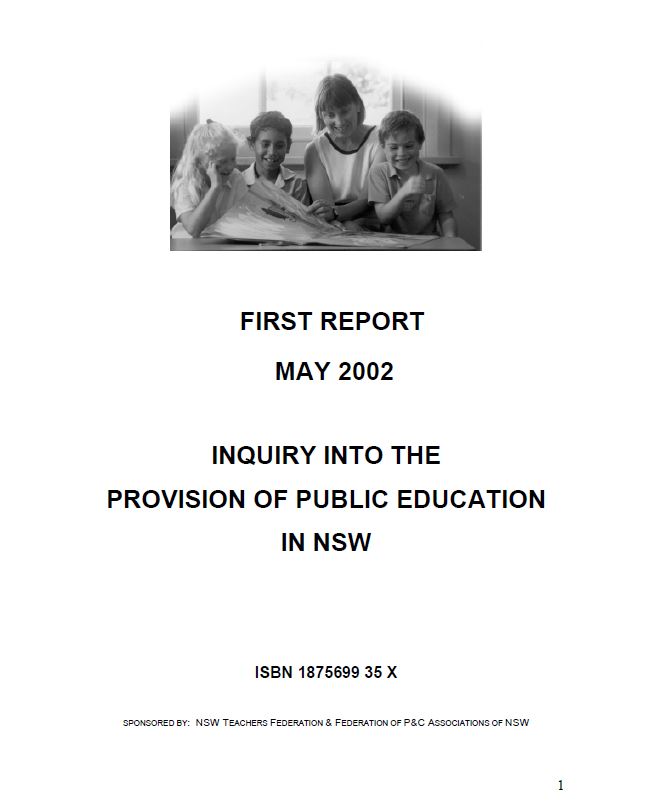
Federation commissioned the Inquiry into the Provision of Public Education in NSW (2001) and the Valuing the Teaching Profession — An independent inquiry (2020), to draw attention to the issues facing public education teachers and students. Their findings and recommendations provided the basis for future campaigning.

Officers to support member efficacy
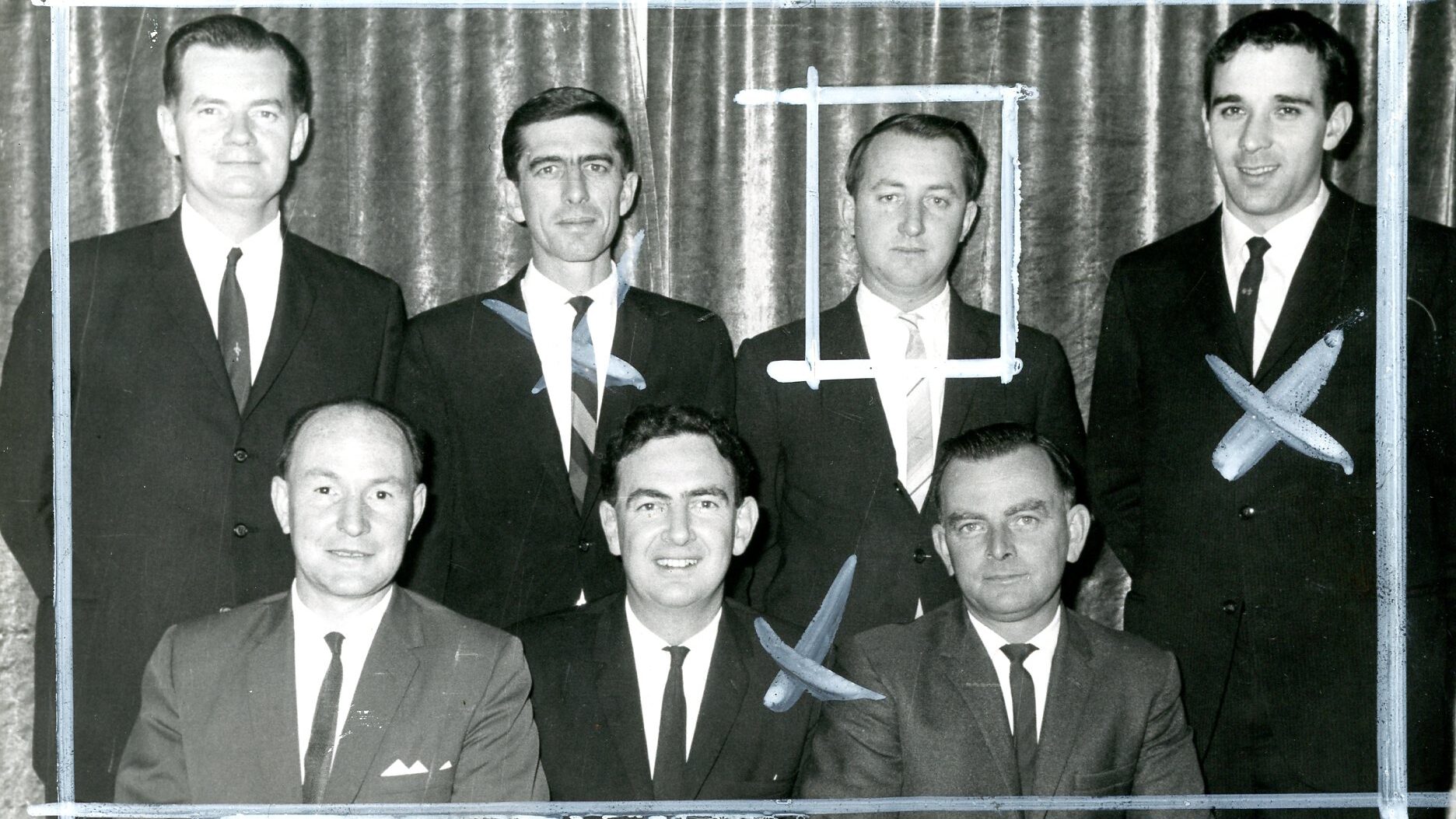
Federation appointed its first Organiser in 1937. Progressively more officers have been appointed to serve members’ needs and grow the membership base.
Three significant appointments between 1975 and 1986 demonstrated Federation’s commitment to social reform: Women’s Coordinator, Aboriginal Education Coordinator and Multicultural Coordinator.
Quests for fairness and equity
Aboriginal Peoples
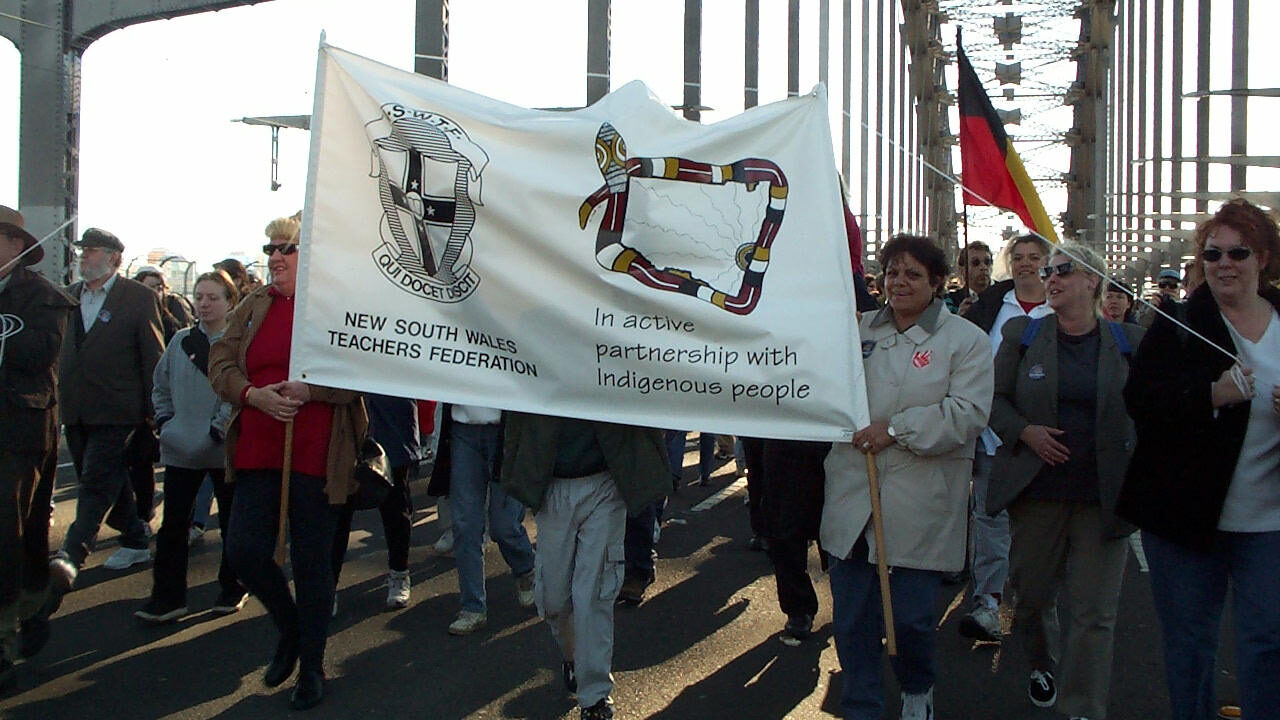
Federation is proud of its contemporary history with Aboriginal Peoples, which is founded on mutual respect for one another. Our union led the battle in 1976 for the original affirmative action strategy for the employment of the first group of Aboriginal teachers to graduate in numbers from teacher training. In partnership with the NSW Aboriginal Education Consultative Group we founded the first union policy on Aboriginal issues in this country, in 1980. This partnership paved the way for the ultimate development and support from teachers of the first Department of Education Aboriginal Education Policy, the foundations of which were so ground breaking that it formed the backbone of the 1997 Department of Education and Training’s Aboriginal Education Policy.
Anti-racism
Our Code of Ethics forbids members engaging in racist behaviour, comments or dissemination of racist material and our Anti-Racism Charter states all members have a responsibility to organise, oppose, act and educate against racism in all its forms. We also campaign for enhanced support for students with a background other than English and the rights of asylum seekers.
Students with disability
Federation has long advocated for government to provide the funding and resources to ensure the legislated rights of students with disability are met.
LGBTIQA+ members
For years Federation has advocated for the rights of members who identify as lesbian, gay, bisexual, transgender and/or queer.
Women
Discrimination against women has been challenged by the union over the decades. An enduring campaign preceded the repeal of the Married Teachers Act, which dismissed married women teachers, lecturers and public servants from December 1932 until in 1947.
Equal pay, promotions and leave
The union’s Executive established an equal pay committee in 1949 and an equal opportunity committee in 1956 to campaign for women to have access to the promotion lists and equal pay. In 1958 legislation phased in equal pay for women over five years, with women achieving full parity in 1958. The separate gender-based promotions lists were combined in 1961. Paid maternity leave and adoption leave was increased to 14 weeks on full pay in 2006.
Governance
Formation of the union
The union was formed as the NSW Public School Teachers Federation on 26 September 1918, when various teachers associations met in the temporary home of the Australian Workers’ Union, in Castlereagh Street.
A single registered organisation
For many years there were two parallel organisations, one being the federally registered Australian Education Union (NSW Branch) and the state-registered NSW Teachers Federation. Because of the shift of some of Federation’s members into the federal jurisdiction, notably members working for TAFE, it was decided that there should be a single entity registered both federally and at the state level. Both the NSW Teachers Federation and the AEU Branch adopted rules that facilitate the change to a single organisation.
Frequently Asked Questions
The union was formed as the NSW Public School Teachers Federation on 26 September 1918, when various teachers associations met in the temporary home of the Australian Workers’ Union, in Castlereagh Street.
Federation members made a major break with its past in 1968, when the first statewide strike was held, over the appalling conditions in which teachers were working.
Sustained campaigning over several years achieved, in 2023, the most significant improvement to NSW public school teachers’ wages in decades.
Federation commissioned the Inquiry into the Provision of Public Education in NSW (2001) and the Valuing the Teaching Profession — An independent inquiry (2020), to draw attention to the issues facing public education teachers and students. Their findings and recommendations provided the basis for future campaigning.
In the late 1980s, after a 10-year campaign, members achieved two hours of release from face-to-face teaching for all teachers working in infants, primary and schools for specific purposes settings. This time enables teachers to plan lessons catering to all learning styles and collaborate with colleagues on how to best meet the needs of students.
A sustained campaign reduced infants class sizes in the first decade of this century.
Our union led the battle in 1976 for the original affirmative action strategy for the employment of the first group of Aboriginal teachers to graduate in numbers from teacher training. In partnership with the NSW Aboriginal Education Consultative Group we founded the first union policy on Aboriginal issues in this country, in 1980.
Federation appointed its first Organiser in 1937.